El amor es la mejor música en la partitura de la vida, sin él, siempre serás un eterno desafinado en el inmenso coro de la humanidad, porque el tiempo es muy lento para los que esperan, muy rápido para los que tienen miedo, muy largo para los que se lamentan, muy corto para los que festejan. Pero para los que aman el tiempo es una eternidad.
The love is the best music in the score of the life, without him, you will always be an eternal flat one in the immense choir of the humanity, because the time is very slow for those who wait, very rapid for those who are afraid, very long for those who complain, very shortly for those that they celebrate. But for those who love the time it is an eternity.
Любовь - лучшая музыка в партитуре жизни, без него, всегда ты будешь вечным фальшивым в огромном хоре человечества, потому что время очень медленное для тех, которые ждут, очень быстрое для тех, которые боятся, очень длинный для тех, кто жалуются, очень коротко для тех, которых они пируют. Но для тех, которые любят время, это вечность.
Si
pensamos en Action Painting y sabemos un poco de inglés podremos decir que
significa Pintura en Acción y deducir un poco sobre lo que se trata, pero
llegar a la profundidad y al importantísimo significado emocional de esta
corriente pictórica es imposible que lo hagamos. Es por esto que presentamos
este trabajo, para mostrar esta corriente pictórica poco conocida, espontánea y
abstracta.
El Action
Painting significa en español “Pintura de Acción” y es una corriente pictórica
abstracta de carácter gestual que adoptaron varios miembros de la escuela
estadounidense del expresionismo abstracto. Desde el punto de vista técnico,
consiste en salpicar con pintura la superficie de un lienzo de manera
espontánea y enérgica, es decir, sin un esquema prefijado, de forma que éste se
convierta en un “espacio de acción” y no en la mera reproducción de la
realidad. A veces se utiliza incorrectamente como sinónimo del propio
expresionismo abstracto, aun cuando muchos de los artistas pertenecientes a
esta escuela jamás emplearon dicha técnica.
El Action
Painting tiene sus orígenes en las creaciones automáticas de los surrealistas;
por ejemplo, los dibujos y pinturas de arena de André Masson. Sin embargo, la
diferencia real entre ambos movimientos no es tanto la técnica como el
planteamiento inicial: bajo la influencia de la psicología Freudiana, los
realistas mantenían que el arte automático era capaz de desbloquear y sacar a la luz la mente
inconsciente.
En
el artículo “The american Action Painters”(1952) en el que utilizaban por
primera vez la expresión “Action Painting”, Rosenberg describía tal actitud en
los siguientes términos “En un momento dado, un pintor estadounidense tras otro
empezaron a contemplar el lienzo como un campo de juego en el que reproducir,
rediseñar, analizar o expresar un objeto real o imaginario”.
La estética del Action Painting ponía el énfasis en
el propio acto de pintar, al margen de cualquier aspecto expresivo o
representativo que pudiera poseer. Simplemente reflejaba un instante de la vida
del artista, uno de sus actos y, por consiguiente, un elemento único de la
biografía de éste. Era la expresión de la personalidad, de las emociones del
creador de una manera muy primaria y básica. En el artículo “The American
Action Painters” (ARTnews, diciembre 1952), en el que se utilizaba por
primera vez la expresión Action Painting,
Rosenberg describía tal
actitud en los siguientes términos: “En un momento dado, un pintor
estadounidense tras otro comenzaron a contemplar el lienzo como un campo de
juego en el que actuar, más que un espacio en el que reproducir, rediseñar,
analizar o ‘expresar’ un objeto, real o imaginario. Lo que había que plasmar en el lienzo no era una imagen sino un suceso”.
Consecuentemente, tales obras se entendieron a menudo en términos muy
formalistas como el mero resultado del encuentro entre un artista y sus
materiales.
Forzosamente, el Action Painting convirtió en
redundantes ciertas prácticas artísticas tradicionales: por ejemplo, la idea de
un boceto dejó de tener sentido ya que podría sugerir que el artista intentaba
transferir una cierta imagen predeterminada a la obra final y definitiva.
Este arte ejerció influencia sobre muchos artistas
europeos, generando movimientos paralelos como el tachismo, practicado por
artistas como el francés George Mathieu. El Action Painting también
afectó a otros aspectos del arte moderno, principalmente a la idea de que una
obra de arte debía exhibir claramente la impronta de su proceso creativo.
Los principales representantes de este arte son: Arshile
Gorky, Hans Hofmann, Robert Motherwell, Franz Kline, Willem de Kooning (que fue
el único que esbozó figuras) y el mayor representante de todos: Jackson
Pollock.
Los principales materiales utilizados en este arte son:
pinceles (no para utilizarlos en forma normal), tela, pintura, tarros,
bombillas, en general todo lo que pueda crear un arte abstracto y espontáneo.
Dripping
Consiste en
derramar pintura sobre una tela colocada en el suelo mediante un movimiento
semiautomático sometido casi únicamente a las reglas del azar.
Se
utiliza un bote agujereado en cuyo interior se vierte la pintura. Estas
pinturas expresan los sentimientos internos del artista. Esta
técnica fue creada por Jackson Pollock.
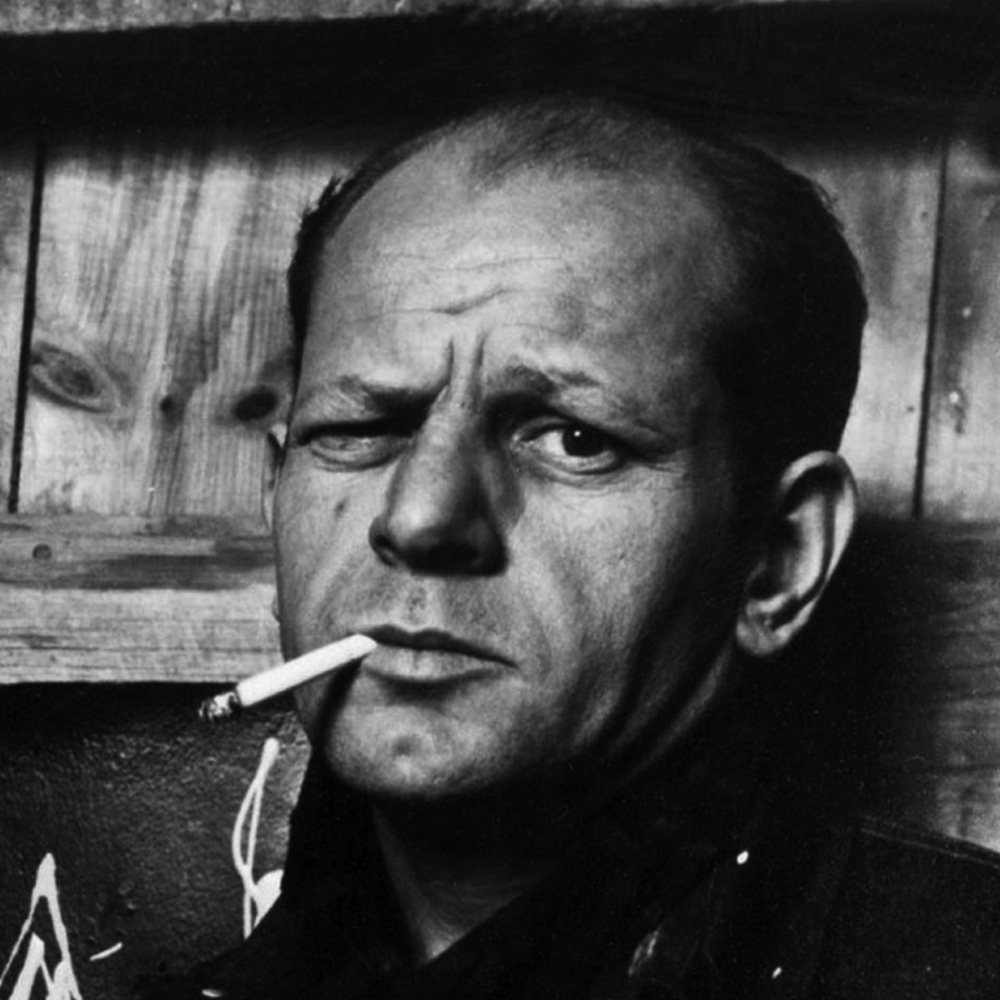
JACKSON POLLOCK
Jackson Pollock, el creador y
mayor representante del Action Painting, nació en Cody, Wyoming, Estados Unidos
en 1912 y estudió en la Art Students League de Nueva York con Thomas Hart
Benton. Estuvo varios años viajando por el país y dibujando. A finales 1930 y
1940 colaboró en Nueva York en los Proyectos de la Administración para el
Federal Art Project (proyecto de artes federales). Sus primeras obras, en el
estilo más libre y abstracto, como en La Loba (1943, Museo de Arte Moderno,
Nueva York)
A partir de 1947 Pollock evolucionó hacia el
expresionismo abstracto, desarrollando la técnica de la action-painting o
dripping, consistente en derramar, dejar gotear o lanzar pintura sobre lienzos
sin tensar colocada en el suelo, por medio de palos y cucharas, en lugar de los
tradicionales pinceles. Mediante este método Pollock realizó esquemas de formas
entrelazadas como se observa en los ejemplos Full fathom five y Lucifer
(ambas de 1947, Museo de Arte Moderno, Nueva York).
También pertenece a esta
época Marrón y plata I (1951, Museo Thyssen-Bornemisza, Madrid). A partir de
1950 su estilo cambió de nuevo, retomando la figuración en blanco y negro,
dentro de un estilo muy virtuosista. Entre las pinturas de su último periodo
destaca Ocean grayness (1953, Museo Salomon R. Guggenheim, Nueva York).
Murió el 11 de agosto de 1956 a consecuencia
de un accidente de automóvil.
Es importante destacar que el fue uno de los
pintores que introdujo las más profundas cambios al arte de mediados de siglo
En la siguiente obra
de Pollock, Guardians of the Secret (Guardianes del Secreto) nos damos
cuenta que en su arte en un comienzo, no utilizaba demasiado su técnica
característica, el dripping . Actualmente esta obra se encuentra, como
otras del autor, en el Museo de Arte Moderno, en San Francisco, Estados Unidos.
If we think about Action Painting and know a little of English we will be able to say that it means Painting in Action and to deduce a little on what it talks each other, but to come to the depth and to the most important emotional meaning of this pictorial current is impossible that we do it. That's why we present this work, to show this slightly well-known, spontaneous and abstract pictorial current.
Action Painting means in Spanish “Painting of Action” and it is an abstract pictorial current of character gestual that there adopted several members of the American school of the abstract expressionism. From the technical point of view, it consists of splashing with painting the surface of a linen of a spontaneous and energetic way, that is to say, without a prearranged scheme, so that this one turns into a “space of action” and not into the mere reproduction of the reality. Sometimes it is used incorrectly how synonymous of the proper abstract expressionism, even if many of the artists belonging to this school never used the above mentioned skill.
Action Painting has its origins in the automatic creations of the surrealists; for example, the drawings and sand paintings of André Masson. Nevertheless, the real difference between both movements is not both the skill and the initial exposition: under the influence of the Freudian psychology, the realists were maintaining that the automatic art was capable of unblocking and of extracting to the light the unconscious mind.
In the article “The american Action Painters” (1952) in which they were using for the first time the expression “Action Painting“, Rosenberg was describing such an attitude in the following terms “In a given moment, an American painter after other they began contemplating the linen as a field in which to reproduce, re-designing, analyzing or expressing a real or imaginary object”.
The esthetics of Action Painting were putting the emphasis on the proper act of doing, to the margin of any expressive or representative aspect that it could possess. Simply it was reflecting a moment of the life of the artist, one of its acts and, consequently, the only element of the biography of this one. It was the expression of the personality, of the emotions of the creator of a very primary and basic way. In the article “The American Action Painters” (ARTnews, December, 1952), in which the expression Action Painting was used for the first time,
Rosenberg was describing such an attitude in the following terms: "In a given moment, an American painter after other they began to contemplate the linen as a field in which to act, more than a space in which to reproduce, re-design, analyze or 'express' an object, real or imaginary. What it was necessary to capture in the linen was not an image but an event”. Consistently, such works were understood often in very formalist terms like the mere result of the meeting between an artist and its materials.
Necessarily, Action Painting turned in redundant certain traditional
artistic practices: for example, the idea of a sketch stopped making sense since he might suggest that the artist was trying to transfer a certain image predetermined to the final and definitive work.
This art influenced on many European artists, generating parallel movements as the tachismo practised by artists like the Frenchman George Mathieu. Action Painting also affected to other aspects of the modern art, principally to the idea of that a work of art had to exhibit clearly the stamp of its creative process.
The main representatives of this art are: Arshile Gorky, Hans Hofmann, Robert Motherwell, Franz Kline, Willem de Kooning (that was the only one that outlined figures) and the biggest representative of all: Jackson Pollock. The main materials used in this art are: brushes (not there uses in normal form), cloth, painting, pots, his bulbs, in general everything what could create an abstract and spontaneous art.
Dripping
He consists of spilling painting on a cloth placed in the soil by means of a semiautomatic movement submitted almost only to the rules of the hazard.
A boat pierced in whose interior is used the painting is spilled. These paintings express the internal feelings of the artist. This skill was created by Jackson Pollock.
JACKSON POLLOCK
Jackson Pollock, the creative and biggest representative of Action
Painting, was born in Cody, Wyoming, the United States in 1912 and studied in Art Students League of New York with Thomas Hart Benton. It was several years traveling round the country and drawing. To ends 1930 and 1940 collaborated in New York in the Projects of the Administration for Federal Art Project (project of federal arts). Its first works, in the freest and abstract style, as in The Wolf (1943, Modern Art museum, New York)
From 1947 Pollock evolved towards the abstract expressionism, developing the skill of the action-painting or dripping, consistent in spilling, allowing to drip or throw painting on linens without tightening placed in the soil, by means of sticks and spoons, instead of the traditional brushes. By means of this method Pollock it realized schemes of interlaced forms as it is observed in the examples Full fathom five and Lucifer (both of 1947, Modern Art museum, New York).
Also it belongs to this Brown epoch and silver I (1951, Museum Thyssen-Bornemisza, Madrid). From 1950 its style changed again, recapturing the black and white imagining, inside a style much virtuosista. Between the paintings of its last period there stands out Ocean grayness (1953, Museum Salomon R. Guggenheim, New York).
He died on August 11, 1956 as a consequence of a motorcar accident.
It is important to emphasize that the fue one of the painters who introduced the deepest changes to the art of middle of century
Acabo de ver un espectacular documental, grabado con drones. Un magnífico y estupendo documental de la vida del planeta vista desde arriba. Me ha parecido una invitación al gusto, color, fotografia....pero sobre todo una llamada a apreciar la gran riqueza que tenemos en nuestro planeta, a amarla y apreciarla. Estoy seguro que quien lo vea, no se arrepentirá. Este documental esta en Youtube, y dejo el link tambien para que la gente lo disfrute. Sinceramente me ha impresionado por su belleza, su música de fondo y su mensaje. Lo recomiendo a todo el mundo.
HOME.. ENGLISH TRAILER
I have just seen a spectacular documentary, engraving with drones. A magnificent and marvelous documentary of the life of the planet dresses from above. It has looked like to me an invitation to the taste, color, photo.... but especially a call to appreciate the big wealth that we have in our planet, to love it and to appreciate it. I am sure that the one who sees it, will not repent. This documentary this one in Youtube, and I leave the link also so that the people enjoy it. Sincerely it has impressed me for its beauty, its music of fund and its message. I recommend it to the whole world.
HOME...SPANISH COMPLETE FILM
https://www.youtube.com/watch?v=tWDfH5ZO7ys
HOME...ENGLISH COMPLETE FILM
https://www.youtube.com/watch?v=jqxENMKaeCU
HOME...RUSSIAN COMPLETE FILM
https://www.youtube.com/watch?v=7hFivbgIEqk
Я только что увидел эффектный документальный фильм, гравировку с drones. Великолепный и необыкновенный документальный фильм жизни планеты одел сверху. Оно мне показалось приглашением во вкус, цвет, фотографию...., но прежде всего вызов, который должен оценивать большое богатство, которое у нас есть на нашей планете, которое быть должен любить ее и оценивать ее. Я уверен, что тот, кто это видит, не будет сожалеть. Этот документальный фильм эта в Youtube, и я оставляю ссылку также для того, чтобы люди этим пользовались. Искренне он произвел впечатление на меня из-за его красоты, его музыки фонда и его сообщения. Я рекомендую это всему мирy.
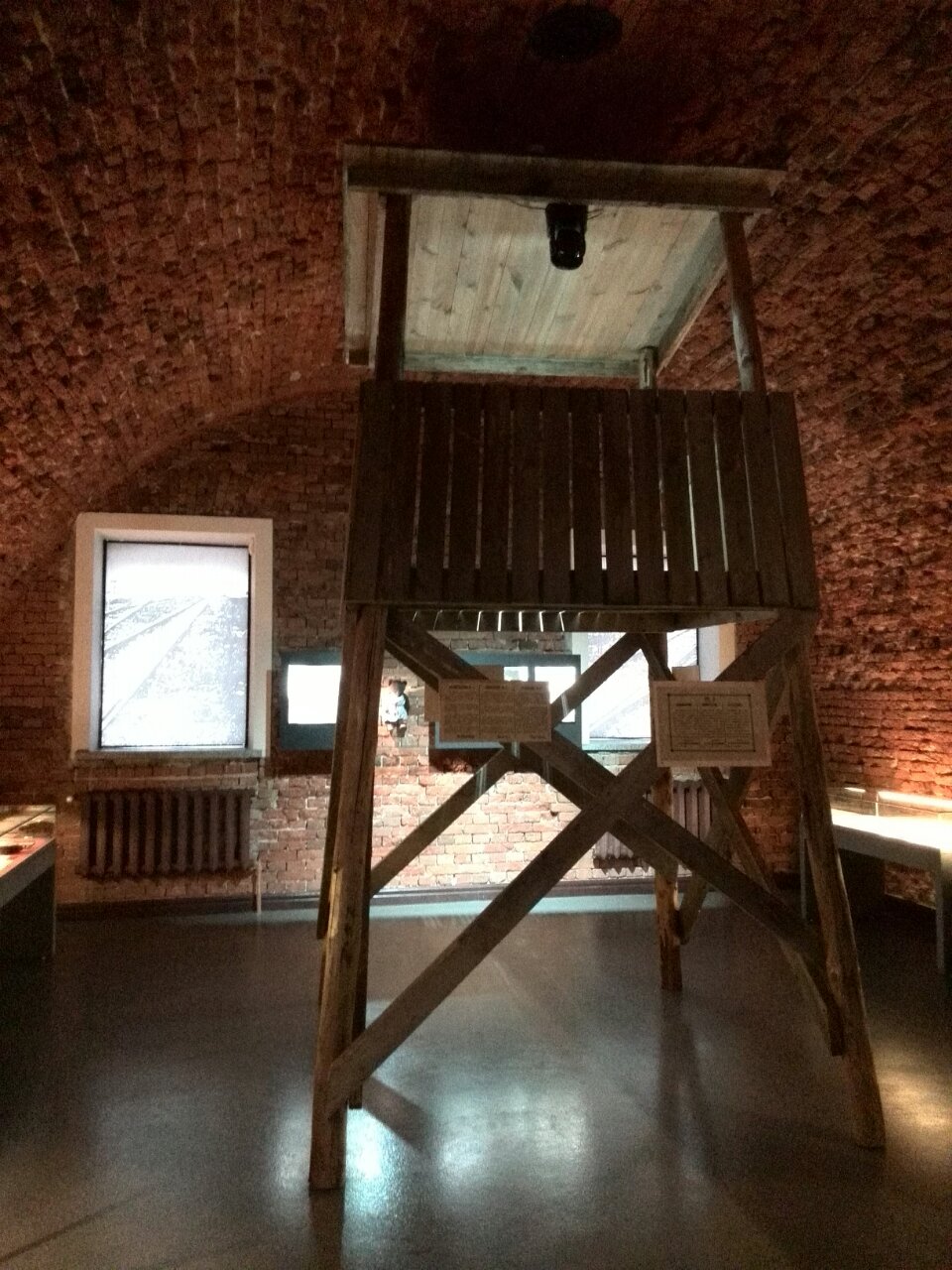
"El museo de la guerra, un territorio de paz" está abierto desde el 22 de junio de 2014. Con muchas de las tecnologías modernas de le distinguen de muchos otros museos de nuestro país. En uno de los salones con el suelo de cristal. Todos los objetos se encuentran en una urna de cristal en blanca arena. Se crea la sensación de que te hallas en la sitiada la fortaleza. Hay aquí y estilizada de un barco, en el que los fascistas переправлялись a través de una mañana temprana de 1941.
Aquí se puede escuchar audios de las personas que vivieron los horrores de la guerra. En el museo se ha creado un único archivo de la memoria,
Aquí mismo se puede ver como ha recibido una amplia difusión de la película "la fortaleza de Brest".La exposición cuenta con más de dos mil elementos y se encuentra en ocho salas. La plaza de museo de la nueva prácticamente igual que el museo de la defensa de la fortaleza de alrededor de mil metros cuadrados.
Por sus nombres en orden cronológico se observa la trágica suerte de los defensores de la fortaleza: "la Víspera", "Invasión", "la Prueba", "el Eco de la guerra", "Reconocimiento".
"El museo de la guerra, un territorio de paz" va a trabajar en la tarea común de la conservación de la memoria histórica, patriótica de la educación de la joven generación.
"The war Museum - territory of peace" was opened on 22 June 2014. Modern technologies make it different from many other museums in our country. In one of the halls of the glass floor. All the items are under the glass on a white granular sand. It feels like you are in a besieged fortress. There is also a stylized boat, on which the Germans crossed the bug river in the early morning, 1941.
Here you can hear the audio story of a survivor of the horrors of war. After a few years of eyewitnesses who could tell, will not be...
The Museum has a unique archive of memory of names, it is constantly updated. Here you can see high-profile film "Brest fortress". The exhibition includes over two thousand items and is housed in eight halls. By area, the new Museum is practically equal to Museum of the defense of the fortress is about a thousand square meters. By their names, in chronological order, traces the tragic fate of the defenders: "Before", "Invasion", "Test", "Echo of war", "Recognition".
"The war Museum — territory of peace" will work on a common task of preserving the historical memory of the Patriotic education of the younger generation.
"Музей войны - территория мира" открыт 22 июня 2014 года. Современные технологии отличают его от многих других музеев нашей страны. В одном из залов стеклянный пол. Все предметы лежат под стеклом на белом сыпучем песке. Создается ощущение, будто ты в осажденной крепости. Есть тут и стилизованная лодка, на которой фашисты переправлялись через Буг ранним утром 1941 года.
Здесь же можно услышать аудиорассказ человека, пережившего ужасы войны. Ведь через несколько лет очевидцев, которые могли бы все это рассказать, уже не будет…
В музее создан уникальный архив памяти, имен, он постоянно пополняется. Здесь же можно посмотреть получивший широкий резонанс фильм «Брестская крепость».
Экспозиция насчитывает более двух тысяч предметов и разместилась в восьми залах. По площади новый музей практически равен музею обороны крепости — около тысячи квадратных метров. По их названиям в хронологическом порядке прослеживается трагическая судьба защитников крепости: «Накануне», «Вторжение», «Испытание», «Эхо войны», «Признание».
«Музей войны — территория мира» будет работать на общую задачу сохранения исторической памяти, патриотического воспитания молодого поколения.
En primer lugar, es
preciso reflexionar sobre la exigencia moral de la práctica educativa con la
pretensión de resaltar que se trata de una tarea intrínsecamente moral en donde
necesariamente intervienen nuestros juicios y valoraciones.
La educación es un
proceso, siempre inacabado, de adaptación crítica en el que se transmiten
preferencias o actitudes, unos valores , y más aún, o con un tratamiento
específico. Si este proceso va destinado
a las personas que han sobrepasado la etapa de escolaridad inicial, al fin de
que tengan oportunidades de seguir adquiriendo y perfeccionando sus aptitudes,
conocimientos técnicos y profesionales y actitudes, así como de participar
activamente en la sociedad y de analizarla críticamente, según sus necesidades
y con criterio propio, urge educar en valores, en unos valores apreciados
La Ética nos va a
ayudar, aunque de modo indirecto, a obrarracionalmente en el conjunto de la vida entera, siempre que por razón
entendamos esa capacidad de comprensión humana que arranca de nuestra
inteligencia y que nos conduce a lograr las metas que perseguimos.y
compartidos por todos y que posibiliten la convivencia en una sociedad
democrática..
Después de el análisis
anterior, nos podemos preguntar entonces, ¿cómo educar moralmente? ¿Cómo
fundamentar una educación de la moral que reconozca a los niños y niñas como
sujetos de derechos y no carentes de necesidades?
Para Cortina, la
expresión «moral» significa ante todo, la capacidad de enfrentar la vida frente
a la «desmoralización»; es decir, adquirir un alto grado de moral. Esto
fundamenta la posibilidad de Altura Humana, la cual no viene dada del exterior
sino de su subjetividad; esto se traduce en un desarrollo adecuado del auto
concepto y la autoestima. Auto concepto como la capacidad de auto-poseernos y
construir nuestro propio proyecto de vida.
La realización humana
como logro de felicidad, la cual se consigue con un alto grado de autoestima y
auto posicionamiento de sí, esto permite al sujeto configurar su proyecto
personal.
La posibilidad de entrar
en diálogo con otros como opción de crecer juntos a través del reconocimiento y
la afirmación.
Poseer unos universales
mínimos que den cuenta de la realidad en que vivimos, sopesarlos, y ponerlos en
relación desde los mismos sujetos implicados que construyen su propia realidad.
Estos principios se
encuentran en concordancia con los factores actitudinales valorativos propuestos por Ausubel y desarrolladas por De Zubiría (1995) para interpretar la complejidad de relaciones que
se entrecruzan en el ámbito educativo investigado. De Zubiría sugiere analizar una
educación de lo ético a partir de un modelo que parta de reconocer tres grandes
factores: un factor yoico, un factor asociativo y un factor cognoscitivo.
El factor yoico tiene que ver con la
competitividad, el autoconcepto, la necesidad de lograr metas altas, status y realización;
la manera de identificarlos se da desde el autoconcepto, el liderazgo y la necesidad de logros; es decir, con
Altura Humana desde los planteamientos de Cortina (1995). De Zubiría parte de dos
apreciaciones: La primera hace referencia a la necesidad de amor que requiere
el ser humano, la segunda cuando retoma a Beer (1978) quien dice «lo que un niño sabe y piensa sobre si
afectará sus interacciones con los demás personas».
El factor asociativo,
hace alusión a características y valores particulares como la solidaridad, la
interacción social, la empatía, el servicio y ayuda a los demás; la manera como
se manifiesta tiene que ver con la relación que se tiene con los compañeros,
con los adultos; es la capacidad para ser solidarios y para interactuar.
Significa que se parte de reconocer que el ser humano requiere de los otros.
El factor cognoscitivo
trabaja el significado de conocer, comprender e indagar fenómenos naturales,
sociales y tecnológicos; sus formas de expresión son el interés por el
conocimiento, las participaciones en clases, la persistencia por lo que se hace,y las elaboraciones. Para
Schukina, citado por De Zubiría (1995) este interés
cognitivo es un potentísimo estimulo para que el niño y la niña se conviertan
de objeto de la educación en sujetos de la misma, motivados por su propia
Educación.
Educar en valores es
algo que los profesionales de la enseñanza han hecho siempre, siguen haciendo y
nunca podrán dejar de hacer. Toda acción educativa es ya una actividad cargada
de valor, lleva implícitos unos valores. Ningún profesor, (y el de educación de
personas adultas no es una excepción), puede pretender, sin engañarse a sí
mismo, que se limita a realizar una labor de transmisión de los conocimientos
que corresponden a su especialidad. Nunca se puede sólo enseñar, se educa
siempre.
Lo que hace educativa
una acción docente no es tanto lo que consigue como resultado, sino los valores
educativos que pone en juego. En su práctica educativa cotidiana con personas,
el profesorado hace algo más que dar clase: educa en valores.
La educación empieza por
sentirnos miembros de comunidades: familiar, religiosa, cultural...pero también
como pertenecientes a una comunidad política concreta. Además de ser miembros
de una familia, de una cultura, de una confesión religiosa, nacemos en una
sociedad, pertenecemos a una comunidad política determinada en la que tenemos
la categoría de ciudadanos. La educación en valores no puede limitarse a la
construcción de la personalidad moral individual, debe interesarse al mismo
tiempo por formar ciudadanos.
Quizás la única manera
de compartir con los alumnos los valores básicos en los que creemos es mostrar,
con nuestra práctica cotidiana, que esos valores son algo más que una hueca
moralina con la que es fácil quedar muy bien: son algo tan importante que, en
lugar de hablar de ellos, preferimos mostrarlos en nuestra actividad cotidiana.
Por ello, el docente no
puede verse sino como un agente moral, alguien cuyo trabajo puede ser entendido como un arte
práctico en el que lo fundamental es la dimensión moral.
Lo que al final cuenta
para educar en valores es el clima que intentamos crear y que no puede lograrse
si no somos capaces de asumir un compromiso firme en torno a unos valores
básicos compartidos y expresados en nuestra práctica educativa docente.
First of all, it is necessary to reflect on the moral demand of the educational practice with the pretension to highlight that it is a question of a task intrinsically moral where necessary they take control of our judgments and evaluations. The education is a process, always unfinished, of critical adaptation in the one that there transmit preferences or attitudes, a few values, and even more, or with a specific treatment. If this process is destined to the persons who have exceeded the stage of initial schooling, at the end of which they have opportunities to keep on acquiring and perfecting its aptitudes, technical and professional knowledge and attitudes, as well as to take part actively in the society and to analyze it critically, according to its needs and with proper criterion, it presses to educate in values, in a few valued values
The Ethics are going to help, although in an indirect way, to work us rationally in the set of the whole life, whenever for reason we understand this capacity of human comprehension that starts of our intelligence and that leads us to achieve the goals that perseguimos.y shared by all and that they make the coexistence possible in a democratic society. After the previous analysis, we can wonder then: how to educate morally? How to base an education of the morality that he recognizes after the children and girls as subjects of right and not lacking in needs? For Curtain, the "moral" expression means first of all, the aptitude to face the life opposite to the "demoralization"; that is to say, to acquire a mulberry tree high degree. This bases the possibility of Human Height, which is not given of the exterior but of its subjectivity; this translates in a suitable development of the car concept and the self-esteem for itself. Edict concept as the capacity of car - poseernos and to construct our own life project. The achievement humanizes like achievement of happiness, which is obtained by a high degree of self-esteem and car position of, this allows to the subject to form its personal project. The possibility of entering dialogue with others like option to grow together across the recognition and the affirmation. To possess a few universal minimums that account for the reality in which we live, to heft them, and to put them in relation from the same implied subjects that construct their own reality. This beginning meets in congruity the factors actitudinales valorativos proposed by Ausubel and developed for Of Zubiría (1995) to interpret the complexity of relations that interweave in the investigated educational ambience. Of Zubiría he suggests to analyze an education of the ethical thing from a model that sets off of recognizing three big factors: a factor yoico, an associative factor and a cognitive factor. The factor yoico has to do with the competitiveness, the autoconcept, the need to achieve high goals, status and achievement; the way of identifying them happens from the autoconcept, the leadership and the need for achievements; that is to say, with Human Height from the expositions of Curtain (1995). Of Zubiría it departs from two appreciations: The first one refers to the need for love that there needs the human being, the second one when it recaptures Beer (1978) who says «what a child knows and thinks about if it will affect its interactions with other persons». The associative factor, it refers to characteristics and particular values like the solidarity, the social interaction, the empathy, the service and help to the others; the way since it is evident has to do with the relation that is had by the partners, with the adults; it is the aptitude to be united and to interact. It means that it breaks of admitting that the human being needs of others. The cognitive factor works the meaning of knowing, comprising and investigating natural, social and technological phenomena; its forms of expression are the interest in the knowledge, the shares in classes, the persistence by what it is done, and the makings. For Schukina, quoted for Of Zubiría (1995) this cognitive interest is the most powerful stimulus so that the child and the girl turn of object of the education into subjects of the same one, motivated by her own Education. To educate in values is something that the professionals of the education have always done, keep on doing and they will never be able to allow doing. Any educational action is already an activity loaded with value, it takes implicit a few values. No teacher, (and that of education of adult persons is not an exception), can claim, without deceiving itself himself, that it limits itself to realizing a work of transmission of the knowledge that correspond to its specialty. It is never possible only to teach, he is always educated. What makes a teaching action educational is not so much what it obtains like result, but the educational values that it puts in game. In its daily educational practice with persons, the professorship does something more that to teach: it educates in values. The education starts for communities members feel: familiar, religious, cultural... but also how belonging to a concrete political community. In addition to being members of a family, of a culture, of a religious confession, we are born in a society, belong to a certain political community in which we have the citizens' category. The education in values cannot limit itself to the construction of the individual moral personality, it must to him be interesting at the same time for citizens form. Perhaps the only way of sharing with the pupils the basic values in which we believe is to show, with our daily practice, that these values are something more than a hollow moral with the one that is easy to suit very much: there are something so important that, instead of speaking about them, we prefer to show them in our daily activity. For it, the teacher can´t turn but like a moral agent, someone whose work can be understood like a practical art in which the fundamental thing the moral dimension is. What in the end it counts to educate in values is the climate that we try to create and that cannot achieve if we are not capable of undertaking a firm commitment concerning a few basic values shared and expressed in our teaching educational practice.
Adam Martinakis nació en
Polonia en 1972, su madre es polaca y padre griego. Desde el año
2000 ha estado trabajando y experimentando con medios visuales generados
por ordenador (imagen digital 3D - animación, vídeo digital, nuevos
medios).
Ha impartido clases de artes
digitales y diseño, diseño gráfico, diseño de interiores y diseño de
cerámica en muchos escuelas de arte. Miembro de: CultureInside,
slashTHREE, Artia Gallery y Art.lica International Art Collectives. Miembro de
la Cámara griega de Bellas Artes.
Actualmente, vive y trabaja en
Cannock, Reino Unido.
Adam Martinakis was born in
Poland in 1972, its mother is Polish and a Greek father. From the year 2000 it
has been working and experimenting with visual means generated by computer
(digital image 3D - animation, digital video, new means). There have given
classes of digital arts and design, graphic design, design of interiors and
design of ceramics in many art schools.
Member of: CultureInside,
slashTHREE, Artia Gallery and Art.lica International Art Collectives. Member of
the Greek Chamber of Fine arts.
At present, he lives and works in
Cannock, the United Kingdom.
Адам Мартинакис родился в Польше в 1972 году, его мать полька, а отец грек. С 2000 г работает и эксперементирует в областях: цифровые картины, 3d анимация, веб дизайн и мультимедия. Греческий художник и скульптор Адам Мартинакис создает футуристические фрагментарные цифровые скульптуры. Учился в Технологическом институте в Афинах на архитектурном факультете индустриального дизайна и декоративного искусства. Член АРТ галереи и международных художественных коллективов. Член греческой палаты изобразительных искуств. В настоящее время он живет и работает в городе Кэннок в Великобритании.
Al ver su obra, solo se me ocurre adjetivarlo como fantastico, onírico, futurista, filosofía artística en su mas puro estado. Arte que sobrecoge, maravilla y aterra, porque te hace ver ante tus ojos todos los deseos, anhelos, miedos y frustraciones que puedan pasar por tu mente, sin opción a esconderlas.
On having seen its work, only it happens to me to label it like fantastic, oneiric, futurist, artistic philosophy in its purest state. Art that sobrecoge, it astonishes and aterra, because it makes you see before your eyes all the desires, wishes, fears and frustrations that could happen for your mind, without option to hide them.
Он создает трехмерные скульптуры, несколько тревожащие тонкие чувства. Каждое произведение определенно имеет собственную таинственную историю, которая остается на уровне воображения зрителя. Существуют некие странные силы притяжения, и не удивительно, что посмотрев однин раз на скульптуры хочется взглянуть на них еще раз.