Saturday, 11 July 2015

«Музей войны – территория Мира». Museo de la Guerra, Territorio de Paz.. War´s museum, Peace´s Territory


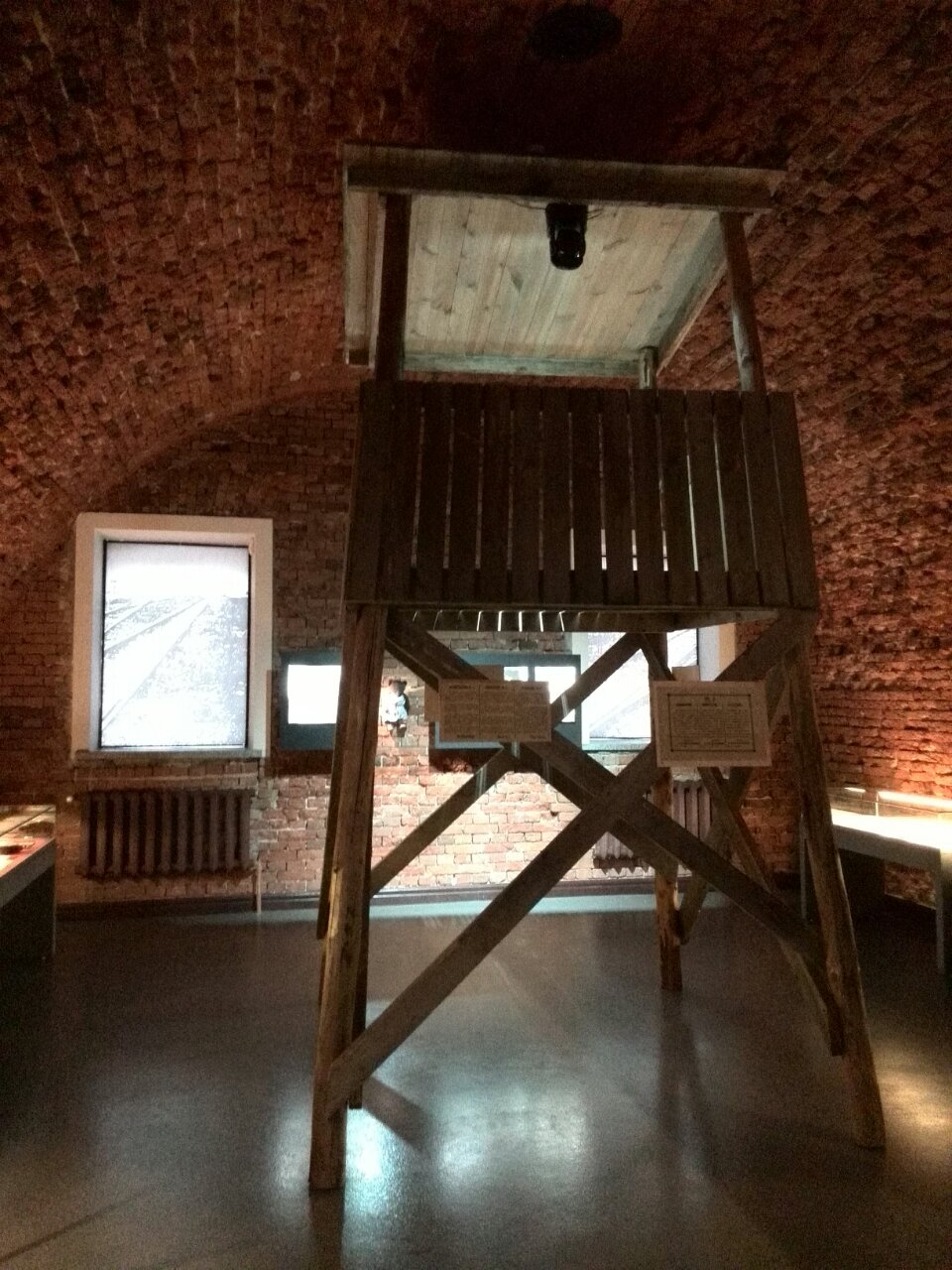
"El museo de la guerra, un territorio de paz" está abierto desde el 22 de junio de 2014. Con muchas de las tecnologías modernas de le distinguen de muchos otros museos de nuestro país. En uno de los salones con el suelo de cristal. Todos los objetos se encuentran en una urna de cristal en blanca arena. Se crea la sensación de que te hallas en la sitiada la fortaleza. Hay aquí y estilizada de un barco, en el que los fascistas переправлялись a través de una mañana temprana de 1941.

Aquí se puede escuchar audios de las personas que vivieron los horrores de la guerra. En el museo se ha creado un único archivo de la memoria, 

Aquí mismo se puede ver como ha recibido una amplia difusión de la película "la fortaleza de Brest".La exposición cuenta con más de dos mil elementos y se encuentra en ocho salas. La plaza de museo de la nueva prácticamente igual que el museo de la defensa de la fortaleza de alrededor de mil metros cuadrados. 

Por sus nombres en orden cronológico se observa la trágica suerte de los defensores de la fortaleza: "la Víspera", "Invasión", "la Prueba", "el Eco de la guerra", "Reconocimiento".


"El museo de la guerra, un territorio de paz" va a trabajar en la tarea común de la conservación de la memoria histórica, patriótica de la educación de la joven generación.


"The war Museum - territory of peace" was opened on 22 June 2014. Modern technologies make it different from many other museums in our country. In one of the halls of the glass floor. All the items are under the glass on a white granular sand. It feels like you are in a besieged fortress. There is also a stylized boat, on which the Germans crossed the bug river in the early morning, 1941.

Here you can hear the audio story of a survivor of the horrors of war. After a few years of eyewitnesses who could tell, will not be...

The Museum has a unique archive of memory of names, it is constantly updated. Here you can see high-profile film "Brest fortress". The exhibition includes over two thousand items and is housed in eight halls. By area, the new Museum is practically equal to Museum of the defense of the fortress is about a thousand square meters. By their names, in chronological order, traces the tragic fate of the defenders: "Before", "Invasion", "Test", "Echo of war", "Recognition".

"The war Museum — territory of peace" will work on a common task of preserving the historical memory of the Patriotic education of the younger generation.


"Музей войны - территория мира" открыт 22 июня 2014 года. Современные технологии отличают его от многих других музеев нашей страны. В одном из залов стеклянный пол. Все предметы лежат под стеклом на белом сыпучем песке. Создается ощущение, будто ты в осажденной крепости. Есть тут и стилизованная лодка, на которой фашисты переправлялись через Буг ранним утром 1941 года.

Здесь же можно услышать аудиорассказ человека, пережившего ужасы войны. Ведь через несколько лет очевидцев, которые могли бы все это рассказать, уже не будет…


В музее создан уникальный архив памяти, имен, он постоянно пополняется. Здесь же можно посмотреть получивший широкий резонанс фильм «Брестская крепость».

Экспозиция насчитывает более двух тысяч предметов и разместилась в восьми залах. По площади новый музей практически равен музею обороны крепости — около тысячи квадратных метров. 

По их названиям в хронологическом порядке прослеживается трагическая судьба защитников крепости: «Накануне», «Вторжение», «Испытание», «Эхо войны», «Признание».

«Музей войны — территория мира» будет работать на общую задачу сохранения исторической памяти, патриотического воспитания молодого поколения.


Saturday, 4 July 2015

Etica de la educación....Ethics of the education.


En primer lugar, es preciso reflexionar sobre la exigencia moral de la práctica educativa con la pretensión de resaltar que se trata de una tarea intrínsecamente moral en donde necesariamente intervienen nuestros juicios y valoraciones. 

La educación es un proceso, siempre inacabado, de adaptación crítica en el que se transmiten preferencias o actitudes, unos valores , y más aún, o con un tratamiento específico.  Si este proceso va destinado a las personas que han sobrepasado la etapa de escolaridad inicial, al fin de que tengan oportunidades de seguir adquiriendo y perfeccionando sus aptitudes, conocimientos técnicos y profesionales y actitudes, así como de participar activamente en la sociedad y de analizarla críticamente, según sus necesidades y con criterio propio, urge educar en valores, en unos valores apreciados 

La Ética nos va a ayudar, aunque de modo indirecto, a obrar  racionalmente en el conjunto de la vida entera, siempre que por razón entendamos esa capacidad de comprensión humana que arranca de nuestra inteligencia y que nos conduce a lograr las metas que perseguimos.y compartidos por todos y que posibiliten la convivencia en una sociedad democrática.. 

Después de el análisis anterior, nos podemos preguntar entonces, ¿cómo educar moralmente? ¿Cómo fundamentar una educación de la moral que reconozca a los niños y niñas como sujetos de derechos y no carentes de necesidades? 

Para Cortina, la expresión «moral» significa ante todo, la capacidad de enfrentar la vida frente a la «desmoralización»; es decir, adquirir un alto grado de moral. Esto fundamenta la posibilidad de Altura Humana, la cual no viene dada del exterior sino de su subjetividad; esto se traduce en un desarrollo adecuado del auto concepto y la autoestima. Auto concepto como la capacidad de auto-poseernos y construir nuestro propio proyecto de vida. 

  1. La realización humana como logro de felicidad, la cual se consigue con un alto grado de autoestima y auto posicionamiento de sí, esto permite al sujeto configurar su proyecto personal.
  2. La posibilidad de entrar en diálogo con otros como opción de crecer juntos a través del reconocimiento y la afirmación. 
  3. Poseer unos universales mínimos que den cuenta de la realidad en que vivimos, sopesarlos, y ponerlos en relación desde los mismos sujetos implicados que construyen su propia realidad. 
Estos principios se encuentran en concordancia con los factores actitudinales valorativos propuestos por Ausubel y desarrolladas por De Zubiría (1995) para interpretar la complejidad de relaciones que se entrecruzan en el ámbito educativo investigado. De Zubiría sugiere analizar una educación de lo ético a partir de un modelo que parta de reconocer tres grandes factores: un factor yoico, un factor asociativo y un factor cognoscitivo. 

El factor yoico tiene que ver con la competitividad, el autoconcepto, la necesidad de lograr metas altas, status y realización; la manera de identificarlos se da desde el autoconcepto, el liderazgo y la necesidad de logros; es decir, con Altura Humana desde los planteamientos de Cortina (1995). De Zubiría parte de dos apreciaciones: La primera hace referencia a la necesidad de amor que requiere el ser humano, la segunda cuando retoma a Beer (1978) quien dice «lo que un niño sabe y piensa sobre si afectará sus interacciones con los demás personas».

El factor asociativo, hace alusión a características y valores particulares como la solidaridad, la interacción social, la empatía, el servicio y ayuda a los demás; la manera como se manifiesta tiene que ver con la relación que se tiene con los compañeros, con los adultos; es la capacidad para ser solidarios y para interactuar. Significa que se parte de reconocer que el ser humano requiere de los otros.

El factor cognoscitivo trabaja el significado de conocer, comprender e indagar fenómenos naturales, sociales y tecnológicos; sus formas de expresión son el interés por el conocimiento, las participaciones en clases, la persistencia por lo que se hace,y las elaboraciones. Para Schukina, citado por De Zubiría (1995) este interés cognitivo es un potentísimo estimulo para que el niño y la niña se conviertan de objeto de la educación en sujetos de la misma, motivados por su propia Educación.

Educar en valores es algo que los profesionales de la enseñanza han hecho siempre, siguen haciendo y nunca podrán dejar de hacer. Toda acción educativa es ya una actividad cargada de valor, lleva implícitos unos valores. Ningún profesor, (y el de educación de personas adultas no es una excepción), puede pretender, sin engañarse a sí mismo, que se limita a realizar una labor de transmisión de los conocimientos que corresponden a su especialidad. Nunca se puede sólo enseñar, se educa siempre. 


Lo que hace educativa una acción docente no es tanto lo que consigue como resultado, sino los valores educativos que pone en juego. En su práctica educativa cotidiana con personas, el profesorado hace algo más que dar clase: educa en valores.


La educación empieza por sentirnos miembros de comunidades: familiar, religiosa, cultural...pero también como pertenecientes a una comunidad política concreta. Además de ser miembros de una familia, de una cultura, de una confesión religiosa, nacemos en una sociedad, pertenecemos a una comunidad política determinada en la que tenemos la categoría de ciudadanos. La educación en valores no puede limitarse a la construcción de la personalidad moral individual, debe interesarse al mismo tiempo por formar ciudadanos.

Quizás la única manera de compartir con los alumnos los valores básicos en los que creemos es mostrar, con nuestra práctica cotidiana, que esos valores son algo más que una hueca moralina con la que es fácil quedar muy bien: son algo tan importante que, en lugar de hablar de ellos, preferimos mostrarlos en nuestra actividad cotidiana.

Por ello, el docente no puede verse sino como un agente moral, alguien cuyo trabajo puede ser entendido como un arte práctico en el que lo fundamental es la dimensión moral

Lo que al final cuenta para educar en valores es el clima que intentamos crear y que no puede lograrse si no somos capaces de asumir un compromiso firme en torno a unos valores básicos compartidos y expresados en nuestra práctica educativa docente.


First of all, it is necessary to reflect on the moral demand of the educational practice with the pretension to highlight that it is a question of a task intrinsically moral where necessary they take control of our judgments and evaluations. 

The education is a process, always unfinished, of critical adaptation in the one that there transmit preferences or attitudes, a few values, and even more, or with a specific treatment. If this process is destined to the persons who have exceeded the stage of initial schooling, at the end of which they have opportunities to keep on acquiring and perfecting its aptitudes, technical and professional knowledge and attitudes, as well as to take part actively in the society and to analyze it critically, according to its needs and with proper criterion, it presses to educate in values, in a few valued values 


The Ethics are going to help, although in an indirect way, to work us rationally in the set of the whole life, whenever for reason we understand this capacity of human comprehension that starts of our intelligence and that leads us to achieve the goals that perseguimos.y shared by all and that they make the coexistence possible in a democratic society.

After the previous analysis, we can wonder then: how to educate morally? How to base an education of the morality that he recognizes after the children and girls as subjects of right and not lacking in needs? 

For Curtain, the "moral" expression means first of all, the aptitude to face the life opposite to the "demoralization"; that is to say, to acquire a mulberry tree high degree. This bases the possibility of Human Height, which is not given of the exterior but of its subjectivity; this translates in a suitable development of the car concept and the self-esteem for itself. Edict concept as the capacity of car - poseernos and to construct our own life project. 

The achievement humanizes like achievement of happiness, which is obtained by a high degree of self-esteem and car position of, this allows to the subject to form its personal project.

The possibility of entering dialogue with others like option to grow together across the recognition and the affirmation. To possess a few universal minimums that account for the reality in which we live, to heft them, and to put them in relation from the same implied subjects that construct their own reality.

This beginning meets in congruity the factors actitudinales valorativos proposed by Ausubel and developed for Of Zubiría (1995) to interpret the complexity of relations that interweave in the investigated educational ambience. Of Zubiría he suggests to analyze an education of the ethical thing from a model that sets off of recognizing three big factors: a factor yoico, an associative factor and a cognitive factor. 

The factor yoico has to do with the competitiveness, the autoconcept, the need to achieve high goals, status and achievement; the way of identifying them happens from the autoconcept, the leadership and the need for achievements; that is to say, with Human Height from the expositions of Curtain (1995). Of Zubiría it departs from two appreciations: The first one refers to the need for love that there needs the human being, the second one when it recaptures Beer (1978) who says «what a child knows and thinks about if it will affect its interactions with other persons».

The associative factor, it refers to characteristics and particular values like the solidarity, the social interaction, the empathy, the service and help to the others; the way since it is evident has to do with the relation that is had by the partners, with the adults; it is the aptitude to be united and to interact. It means that it breaks of admitting that the human being needs of others.

The cognitive factor works the meaning of knowing, comprising and investigating natural, social and technological phenomena; its forms of expression are the interest in the knowledge, the shares in classes, the persistence by what it is done, and the makings. For Schukina, quoted for Of Zubiría (1995) this cognitive interest is the most powerful stimulus so that the child and the girl turn of object of the education into subjects of the same one, motivated by her own Education.

To educate in values is something that the professionals of the education have always done, keep on doing and they will never be able to allow doing. Any educational action is already an activity loaded with value, it takes implicit a few values. No teacher, (and that of education of adult persons is not an exception), can claim, without deceiving itself himself, that it limits itself to realizing a work of transmission of the knowledge that correspond to its specialty. It is never possible only to teach, he is always educated. 


What makes a teaching action educational is not so much what it obtains like result, but the educational values that it puts in game. In its daily educational practice with persons, the professorship does something more that to teach: it educates in values.

The education starts for communities members feel: familiar, religious, cultural... but also how belonging to a concrete political community. In addition to being members of a family, of a culture, of a religious confession, we are born in a society, belong to a certain political community in which we have the citizens' category. The education in values cannot limit itself to the construction of the individual moral personality, it must to him be interesting at the same time for citizens form.

Perhaps the only way of sharing with the pupils the basic values in which we believe is to show, with our daily practice, that these values are something more than a hollow moral with the one that is easy to suit very much: there are something so important that, instead of speaking about them, we prefer to show them in our daily activity.

For it, the teacher can´t turn but like a moral agent, someone whose work can be understood like a practical art in which the fundamental thing the moral dimension is. 

What in the end it counts to educate in values is the climate that we try to create and that cannot achieve if we are not capable of undertaking a firm commitment concerning a few basic values shared and expressed in our teaching educational practice.


Thursday, 2 July 2015

Адам Мартинакис -- Adam Martinakis

Adam Martinakis nació en Polonia en 1972, su madre es polaca y padre griego. Desde el año 2000 ha estado trabajando y experimentando con medios visuales generados por ordenador (imagen digital 3D - animación, vídeo digital, nuevos medios).


Ha impartido clases de artes digitales y diseño, diseño gráfico, diseño de interiores y diseño de cerámica en muchos escuelas de arte. Miembro de: CultureInside, slashTHREE, Artia Gallery y Art.lica International Art Collectives. Miembro de la Cámara griega de Bellas Artes.

Actualmente, vive y trabaja en Cannock, Reino Unido.


Adam Martinakis was born in Poland in 1972, its mother is Polish and a Greek father. From the year 2000 it has been working and experimenting with visual means generated by computer (digital image 3D - animation, digital video, new means). There have given classes of digital arts and design, graphic design, design of interiors and design of ceramics in many art schools.

Member of: CultureInside, slashTHREE, Artia Gallery and Art.lica International Art Collectives. Member of the Greek Chamber of Fine arts.

At present, he lives and works in Cannock, the United Kingdom.


Адам Мартинакис родился в Польше в 1972 году, его мать полька, а отец грек.

С 2000 г работает и эксперементирует в областях: цифровые картины, 3d анимация, веб дизайн и мультимедия. Греческий художник и скульптор Адам Мартинакис создает футуристические фрагментарные цифровые скульптуры.

Учился в Технологическом институте в Афинах на архитектурном факультете индустриального дизайна и декоративного искусства.

Член АРТ галереи и международных художественных коллективов. Член греческой палаты изобразительных искуств. 

В настоящее время он живет и работает в городе Кэннок в Великобритании.


Al ver su obra, solo se me ocurre adjetivarlo como fantastico, onírico, futurista, filosofía artística en su mas puro estado. Arte que sobrecoge, maravilla y aterra, porque te hace ver ante tus ojos todos los deseos, anhelos, miedos y frustraciones que puedan pasar por tu mente, sin opción a esconderlas.

On having seen its work, only it happens to me to label it like fantastic, oneiric, futurist, artistic philosophy in its purest state. Art that sobrecoge, it astonishes and aterra, because it makes you see before your eyes all the desires, wishes, fears and frustrations that could happen for your mind, without option to hide them.

Он создает трехмерные скульптуры, несколько тревожащие тонкие чувства. Каждое произведение определенно имеет собственную таинственную историю, которая остается на уровне воображения зрителя. Существуют некие странные силы притяжения, и не удивительно, что посмотрев однин раз на скульптуры хочется взглянуть на них еще раз.

Friday, 19 June 2015

The Mission....La mision.


Una banda sonora increíble, una película fantástica en la dualidad entre dos valores antagónicos de los hermanos protagonistas. Una fotografía sublime, unos entornos paradisiacos, para el desarrollo de una trama, un argumento de los mas altos valores. la película me hizo temblar emocionalmente, la banda sonora me transmitió tranquilidad y calma. Aunque es una película antigua, los premios cinematográficos que acaparo, da señal de la genialidad de su director. Una película que recomendaría a todo el mundo que no la haya visto.


An incredible sound-track, a fantastic movie in the duality between two antagonistic values of the brothers protagonists. A sublime photo, a few paradisiac environments, for the development of a plot, an argument of the highest values. the movie shivered me emotionally, the sound-track transmitted calmness and calmness to me. Although it is an ancient movie, the cinematographic awards that I monopolize, it gives sign of the genius of its director. A movie that he would recommend to the whole world that has not seen it.


Невероятная звуковая дорожка, фантастический фильм в двойственности между двумя антагонистическими типами стоимости братьев главные герои. Возвышенная фотография, райское окружение, для развития сюжета, аргумента самой высокой стоимости. фильм бросил меня в дрожь эмоционально, звуковая дорожка передала мне спокойствие и спокойствие. Хотя это древний фильм, кинематографические премии, которые я монополизирую, он дает знак гениальности его директора. Фильм, который он рекомендовал бы всему миру видевший ее.


Wednesday, 17 June 2015

LIBERTAD Y ESPONTANEIDAD....FREEDOM AND SPONTANEITY

 Libertad y espontaneidad

Hemos visto que el individuo no puede soportar el aislamiento, a causa del cual la unidad del mundo se ha quebrado para él, sin tener ningún punto firme de orientación. Tanto el desamparo como la duda paralizan la vida, y de este modo el hombre, para vivir, trata de esquivar la libertad que ha logrado: la libertad negativa. Se ve así arrastrado hacia nuevos vínculos, diferentes de los vínculos primarios. 

La evasión de la libertad no le restituye la seguridad perdida, sino que únicamente lo ayuda a olvidarse de que constituye una entidad separada. Halla una nueva y frágil seguridad a expensas del sacrificio de la integridad de su yo individual; prefiere perder el yo porque no puede soportar su soledad. Así, la libertad, como libertad negativa, conduce hacia nuevas cadenas.

            El proceso del desarrollo de la libertad no constituye un círculo vicioso; el hombre puede ser libre sin hallarse solo, crítico, sin henchirse de dudas, independiente, sin dejar de formar parte integrante de la humanidad. Esta libertad el hombre puede alcanzarla realizando su yo, siendo lo que realmente es. La libertad positiva consiste en la actividad espontánea de la personalidad total integrada. La actividad espontánea tan sólo es posible si el hombre no reprime partes esenciales de su yo, si llega a ser transparente para sí mismo y si las distintas esferas de la vida han alcanzado una integración fundamental. 

La espontaneidad es un fenómeno relativamente raro en nuestra cultura, aunque no carecemos completamente de ella (por ejemplo los artistas son capaces de expresarse espontáneamente, también los niños; incluso podemos percibir en nosotros mismos por lo menos algún momento de espontaneidad). 

La actividad espontánea es el único camino por el cual el hombre puede superar el terror de la soledad sin sacrificar la integridad del yo; puesto que en la espontánea realización del yo es donde el individuo vuelve a unirse con el hombre, con la naturaleza, con sí mismo.


            El yo es fuerte en la medida en que es activo. Aquellas cualidades que surgen de nuestra actividad espontánea dan fuerza al yo y constituyen la base de su integridad. La incapacidad para obrar con espontaneidad, para expresar lo que verdaderamente uno siente y piensa, y la necesidad consecuente de mostrar a los otros y a uno mismo un pseudoyo, constituyen la raíz de los sentimientos de inferioridad y debilidad. Todo ello significa que lo importante aquí es la actividad como tal, el proceso y no sus resultados; en nuestra cultura es justamente lo contrario lo que se acentúa más.


Si el individuo realiza su yo por medio de la actividad espontánea y se relaciona de este modo con el mundo, deja de ser un átomo aislado; él y el mundo se transforman en un todo estructural; disfruta así de un lugar legítimo y con ello desaparecen sus dudas respecto de sí mismo y del significado de su vida: cuando logra vivir, no ya de manera compulsiva o automática, sino espontáneamente, entonces sus dudas desaparecen. 

Es entonces cuando aumentará su fuerza como individuo, así como su seguridad. Ésta, sin embargo, difiere de aquélla que caracteriza el estado pre-individual, del mismo modo como su nueva forma de relacionarse con el mundo es distinta de la de los vínculos primarios. 

Esta nueva seguridad no se halla arraigada en la protección que el individuo recibe de parte de algún poder superior extraño a él; la nueva seguridad es dinámica, no se basa en la protección, sino en la actividad espontánea del hombre: es la seguridad que solamente la libertad puede dar, que no necesita de ilusiones, porque ha eliminado las condiciones que origina tal necesidad.

La libertad positiva como realización del yo implica la afirmación plena del carácter único del individuo. Todos los hombres nacen iguales pero también nacen distintos.

Este respeto por el carácter único de la personalidad, unido al afán de perfeccionarla, constituye el logro más valioso de la cultura humana y representa justamente lo que hoy se halla en peligro.

El carácter único del yo no contradice de ningún modo el principio de igualdad. La tesis de que todos los hombres nacen iguales implica que todos ellos participan de las mismas calidades humanas fundamentales, que comparten el destino esencial de todos los seres humanos, que poseen por igual el mismo inalienable derecho a la felicidad y a la libertad. Lo que el concepto de igualdad no significa es que todos los hombres sean iguales. 

Tal noción se deriva de la función que los individuos desempeñan actualmente en la vida económica. En ella un  hombre no es distinto de otro; pero sí lo es como persona real, y cultivar el carácter único de cada cual constituye la esencia de la individualidad.

La libertad positiva implica también el principio de que no existe poder superior al del yo individual, que el hombre representa el centro y el fin de la vida; el desarrollo y la realización de la individualidad constituyen un fin que no puede ser nunca subordinado a propósitos a los que se atribuyen una dignidad mayor. Pero decir que el hombre no debiera sujetarse a nada superior a él mismo no implica negar la dignidad de los ideales.

Los ideales genuinos tienen en común que expresan el deseo de algo que todavía no se ha realizado, pero que es deseable para el desarrollo y la felicidad del individuo. En cambio, los ideales ficticios son aquellos fines compulsivos e irracionales que, si bien subjetivamente representan experiencias atrayentes (como la sumisión) en realidad resultan perjudiciales para la vida.


Ahora bien: si se les permite a los individuos obrar libremente en el sentido de la espontaneidad, si los hombres no reconocen autoridad superior alguna a la de ellos mismos, ¿no surgirá inevitablemente la anarquía? Si se frustra la vida, si el individuo se ve aislado, abrumado por las dudas y los sentimientos de soledad e impotencia, entonces surge un impulso de destrucción, un anhelo de sumisión o de poder. 

Si la libertad humana se establece como libertad positiva, si el hombre puede realizar su yo plenamente y sin limitaciones, habrán desaparecido las causas fundamentales de sus tendencias impulsivas asociales.

Freedom and spontaneity

We have seen that the individual cannot support the isolation, because of which the unit of the world has broken for him, without having any firm orientation point. Both the neglect and the doubt paralyze the life, and this way the man, to live, it tries to avoid the freedom that it has achieved: the negative freedom. 

He turns out to be this way dragged towards new ties different from the primary ties. The evasion of the freedom does not return the lost safety, but only he helps it to forget that constitutes a separated entity. It finds a new and fragile safety at the expense of the sacrifice of the integrity of its individual I; he prefers to lose I because he cannot support its solitude. This way, the freedom, like negative freedom, drives towards new chains.

            The process of the development of the freedom does not constitute a vicious circle; the man can be free without being alone, critical, without swelling with doubts, independently, without stopping being integral part of the humanity. This freedom the man can reach it realizing its I, being what really is. 

The positive freedom consists of the spontaneous activity of the integrated entire personality. The spontaneous activity just is possible if the man does not suppress essential parts of its I, if it becomes transparent for itself and if the different spheres of the life have reached a fundamental integration. 

The spontaneity is a relatively rare phenomenon in our culture, although we do not lack completely her (for example the artists are capable of the children expressing themselves spontaneously, also; we even can perceive in ourselves at least some moment of spontaneity). The spontaneous activity is the only way for which the man can overcome the terror of the solitude without sacrificing the integrity of I; since in the spontaneous achievement of me it is where the individual joins again with the man, with the nature, with himself.


            I it is strong as it is active. Those qualities that arise from our spontaneous activity give force to me and constitute the base of its integrity. The incapability to act with spontaneity, to express what truly one feels and thinks, and the consistent need to prove to be to others and to one himself a pseudoyo, they constitute the root of the feelings of inferiority and weakness. All this means that the important thing here there is the activity as such, the process and not its results; in our culture it is exactly the opposite what is accentuated more.

If the individual its it is me who realizes by means of the spontaneous activity and is related this way to the world, it stops being an isolated atom; he and the world transform in a quite structural one; he enjoys this way a legitimate place and with it they eliminate its doubts with regard to himself and of the meaning of its life: when he manages to live, not already in a compulsive or automatic way, but spontaneously, then its doubts disappear. It is then when its force will increase like individual, as well as its safety. 

This one, nevertheless, differs from that one that the pre-individual state characterizes, in the same way like its new way of being related to the world it is different from that of the primary ties. 

This new safety is not established in the protection that the individual receives on behalf of any strange top power to him; the new safety is dynamic, she does not base on the protection, but on the spontaneous activity of the man: it is the safety that only the freedom can give, which he does not need from illusions, because it has eliminated the conditions that such a need causes.

The positive freedom as achievement of me implies the full affirmation of the only character of the individual. All the men are born equal but also they are born different.

This respect for the only character of the personality, joined the emulation to perfect it, constitutes the most valuable achievement of the human culture and represents exactly what today is in danger.

The only character of me does not contradict in any way the beginning of equality. The thesis of which all the men are born equal implies that all of them take part of the same fundamental human qualities, which share the essential destination of all the human beings, who possess equally the same inalienable right to the happiness and to the freedom. What the equality concept does not mean is that all the men are equal. 

Such a notion stems from the function that the individuals redeem at present in the economic life. In her a man is not different from other; but yes she it is like a real person, and to cultivate the only character of everyone constitutes the extract of the individuality.

The positive freedom implies also the beginning of which top power does not exist to of individual me, that the man represents the center and the end of the life; the development and the achievement of the individuality constitute an end that can never be subordinated to intentions to which they assume a major dignity. But to say that the man must not hold to anything top himself does not imply denying the dignity of the ideals.

The genuine ideals have in common that express the desire of something that has not been realized yet, but that is desirable for the development and the happiness of the individual. On the other hand, the fictitious ideals are those compulsive and irrational ends that, although subjectively they represent attractive experiences (like the submission) in fact turn out to be harmful to the life.


However: if it is allowed to the individuals to act freely in the sense of the spontaneity, if the men do not recognize any top authority after that of themselves: will not the lawlessness arise inevitably? If the life is frustrated, if the individual turns out to be isolated, overwhelmed by the doubts and the feelings of solitude and powerlessness, then a destruction impulse arises, a submission wish or of to be able. 

If the freedom humanizes it is established like positive freedom, if the man its it is me who can realize entirely and without limitations, they will have eliminated the fundamental causes of its impulsive tendencies associate them.

Wednesday, 10 June 2015

Zurbaran...

ADORACION DE LOS MAGOS

APARICION DE LA VIRGEN A SAN FRANCISCO

CARNERO CON LAS PATAS ATADAS

DESPOSORIOS DE SANTA CATALINA

MUERTE DE SAN PEDRO NOLASCO

PERAS EN CUENCO DE PORCELANA

SAN FRANCISCO CONTEMPLANDO CALAVERA

SAN SERAPIO

SANTO DOMINGO

VIRGEN DE LA MERCED CON 2 MERCEDARIOS

LIBERTAD EN EL HOMBRE MODERNO...LIBERATE IN THE MODERN MAN.

LOS DOS ASPECTOS DE LA LIBERTAD PARA EL HOMBRE MODERNO


            Las doctrinas protestantes prepararon psicológicamente al individuo para el papel que le tocaría desempeñar en el moderno sistema industrial: desarrolló al individuo / y lo hizo mas desamparado; aumento la libertad / y creó nuevas especies de dependencia. Esto es, la sociedad moderna afecta simultáneamente al hombre de dos maneras: por un lado lo hace más independiente y más critico, otorgándole una mayor confianza en sí mismo, y por otro lado mas solo, aislado y atemorizado.


En contraste con el sistema feudal de la Edad Media, bajo el cual cada uno poseía un lugar fijo dentro de una estructura social ordenada y perfectamente clara, la economía capitalista abandonó al individuo completamente a sí mismo. Lo que lograba en su vida era por su propio mérito.


            Bajo el sistema capitalista el individuo, y en especial el miembro de la clase media, poseía la oportunidad, a pesar de las muchas limitaciones, de triunfar de acuerdo con sus propios méritos y acciones. Además los hombres lograron la igualdad, y también aumentó la libertad política, culminando con el Estado democrático moderno. El capitalismo no solo liberó al hombre de sus vínculos tradicionales, sino que también contribuyo poderosamente al aumento de la libertad positiva, al crecimiento de un yo activo critico y responsable.
           
El individuo, al sentirse más solo y aislado, su yo se sintió respaldado por factores como la posesión de propiedades, el prestigio y el poder. La admiración de los demás y el poder ejercido sobre ellos se iba a agregar al apoyo proporcionado por la propiedad, sosteniendo al inseguro yo individual.

            Para aquellos que poseían escasas propiedades y prestigio social, la familia constituía una fuente de prestigio individual. Allí, en su seno, el individuo podía sentirse "alguien". Obedecido por la mujer y los hijos, ocupaba el centro de la escena, aceptando ingenuamente este papel como un derecho natural que le perteneciera. A parte de la familia, el orgullo nacional (y en Europa con frecuencia el orgullo de clase) también contribuía a darle un sentimiento de importancia. 

Aun cuando no fuera nadie personalmente, con todo se sentía orgulloso de pertenecer a un grupo que podía considerarse superior a otros.


           Factores como las efectivas libertades políticas y económicas, la oportunidad proporcionada a la iniciativa individual y al avance de la ilustración racionalista contribuyeron a la fortificación del yo y condujeron al desarrollo de la individualidad y el avance de la ilustración racionalista. En cambio, los factores de apoyo al yo tan sólo contribuyeron  a compensar la inseguridad y la angustia.

            La tendencia hacia la libertad humana alcanzó su culminación durante la segunda mitad del siglo XIX y comienzos de XX. El sentimiento individual de impotencia y soledad fue en aumento, la libertad de todos los vínculos tradicionales se fue acentuando, pero las posibilidades de lograr el éxito económico individual se restringieron. El individuo se siente amenazado por fuerzas gigantescas, y la situación es análoga en muchos respectos a la que existía  en los siglos XV y XVI.

            La escena económica y política es más compleja y más vasta de lo que era antes. La desocupación de muchos millones de personas debido a la crisis en la estructura económica ha aumentado su sentimiento de inseguridad. La desocupación ha aumentado también el miedo a la vejez. También la amenaza de la guerra ha contribuido a aumentar el sentimiento de impotencia individual. 

El individuo se ve enfrentado por un mundo de dimensiones que escapan a su fiscalización, y en comparación al cual él no constituye sino una pequeña partícula. Todo lo que puede hacer es ajustar su paso al ritmo que se le impone. Puede actuar, pero su sentimiento de independencia ha desaparecido.


            Este sentimiento de aislamiento individual y de impotencia es algo de lo que el hombre común no tiene conciencia. No puede sobrellevar la carga que le impone la libertad de; debe tratar de rehuirla si no logra progresar de la libertad negativa a la positiva. Las principales formas colectivas de evasión en nuestra época están representadas por la sumisión a un líder, tal como ocurrió en los países fascistas, y el conformismo compulsivo automático que prevalece en nuestra democracia. 

En nuestro esfuerzo por escapar de la soledad y la impotencia, nos disponemos a despojarnos de nuestro yo individual, ya sea por medio de la sumisión a nuevas formas de autoridad o por una forma de conformismo compulsivo con respecto a las normas sociales imperantes.


TWO ASPECTS OF THE FREEDOM FOR THE MODERN MAN


            The Protestant doctrines prepared psychologically the individual for the role that it would have him to redeem in the modern industrial system: it developed the individual / and made it more helpless; I increase the freedom / and it created new dependence species. This is, the modern society fond simultaneously of the man of two ways: on the one hand it makes it more independent and more critical, granting him a major self-assurance, and on the other hand more alone, isolated and frightened. 

In contrast with the feudal system of the Middle Age, under which each one was possessing a fixed place inside a tidy social structure and perfectly clear, the capitalist economy left the individual completely himself. What it was achieving in its life was for its own merit.


            Under the capitalist system the individual, and especially the member of the middle class, was possessing the opportunity, in spite of many limitations, of triumphing in accordance with its own merits and actions. Also the men achieved the equality, and also the political freedom increased, culminating with the modern democratic State. The capitalism not only liberated the man of its traditional ties, but also I contribute powerfully to the increase of the positive freedom, to the growth of active me I criticize and person in charge.
                     
The individual, on having felt more alone and isolated, its I felt endorsed by factors like the possession of properties, the prestige and the power. The admiration of the others and the power exercised on them was going to join to the support provided by the property, supporting the insecure one individual I.

            For those that were possessing scarce properties and social prestige, the family was constituting a source of individual prestige. There, in its bosom, the individual could feel "someone". Obeyed by the woman and the children, it was occupying the center of the scene, accepting ingenuously this role as a natural law that him belonged. To part of the family, the national pride (and in Europe often the class pride) also was helping to give him an importance feeling. Even if he was not anybody personally, with everything he was feeling proud to belong to a group that could be considered to be superior to others.

Factors as the effective political and economic freedoms, the opportunity provided to the individual initiative and to the advance of the rationalist illustration contributed to the fortification of me and drove to the development of the individuality and the advance of the rationalist illustration. On the other hand, the support factors to me just helped to compensate the insecurity and the anxiety.

            The tendency towards the human freedom reached its culmination during the second half of the XIXth century and beginning of XX. The individual feeling of powerlessness and solitude was on the increase, the freedom of all the traditional ties was accentuated, but the possibilities of achieving the individual economic success were restricted. The individual feels threatened by gigantic forces, and the situation is similar in many regards to the one that existed in the XVth and XVIth centuries.

            The economic and political scene is more complex and vaster than it was earlier. The unemployment of many million persons due to the crisis in the economic structure has increased its insecurity feeling. The unemployment has increased also the fear of the old age. Also the threat of the war has helped to increase the feeling of individual powerlessness. 

The individual turns out to be faced by a world of dimensions that escape to its inspection, and in comparison to which he does not constitute but a small particle. Everything what it can do is to fit its step to the rhythm that is imposed on him. It can act, but its independence feeling has disappeared.


            This feeling of individual isolation and of powerlessness is something of what the common man has no conscience. It cannot carry the load that imposes the freedom on him of; he must try to avoid it if it does not manage to progress from the negative freedom to the print. The main collective forms of evasion in our epoch are represented by the submission to a leader, as it happened in the fascist countries, and the automatic compulsive conformism that it prevails in our democracy. 

In our effort to escape of the solitude and the powerlessness, we prepare to deprive ourselves of our individual me, be already by means of the submission to new forms of authority or for a form of compulsive conformism with regard to the prevailing social norms.

Art Black Side